.png)

The Role of Experience in Designing Better Spaces
In architecture and residential design, most decisions are made through drawings, specifications, and visualizations.
And for many aspects of a project, that is enough.
But there is a category of decisions that cannot be fully understood on paper—because they are not only visual. They are experiential.
Sound. Light. Atmosphere. Interaction.
These elements define how a space is felt, not just how it looks.
Beyond Drawings: What Cannot Be Simulated
Plans, renderings, and simulation tools have evolved significantly.
Today, it is possible to model lighting with precision, predict acoustic behavior, and visualize how systems will perform within a space. Tools like Dialux and acoustic modeling software allow designers to make highly informed decisions during the design phase.
But even with these advancements, there is still a critical dimension that cannot be fully represented:
the human experience within the space.
You cannot simulate how immersive audio shifts perception—how the brain stops searching for the source of sound and begins to register it as part of the atmosphere itself.
You cannot fully anticipate how dynamic lighting influences the body over time—how it aligns with circadian rhythms, affecting energy, focus, and relaxation throughout the day.
These are not just technical outcomes.
They are physiological and perceptual responses.
And they can only be understood when experienced in person.

Experiencing Integrated Technology
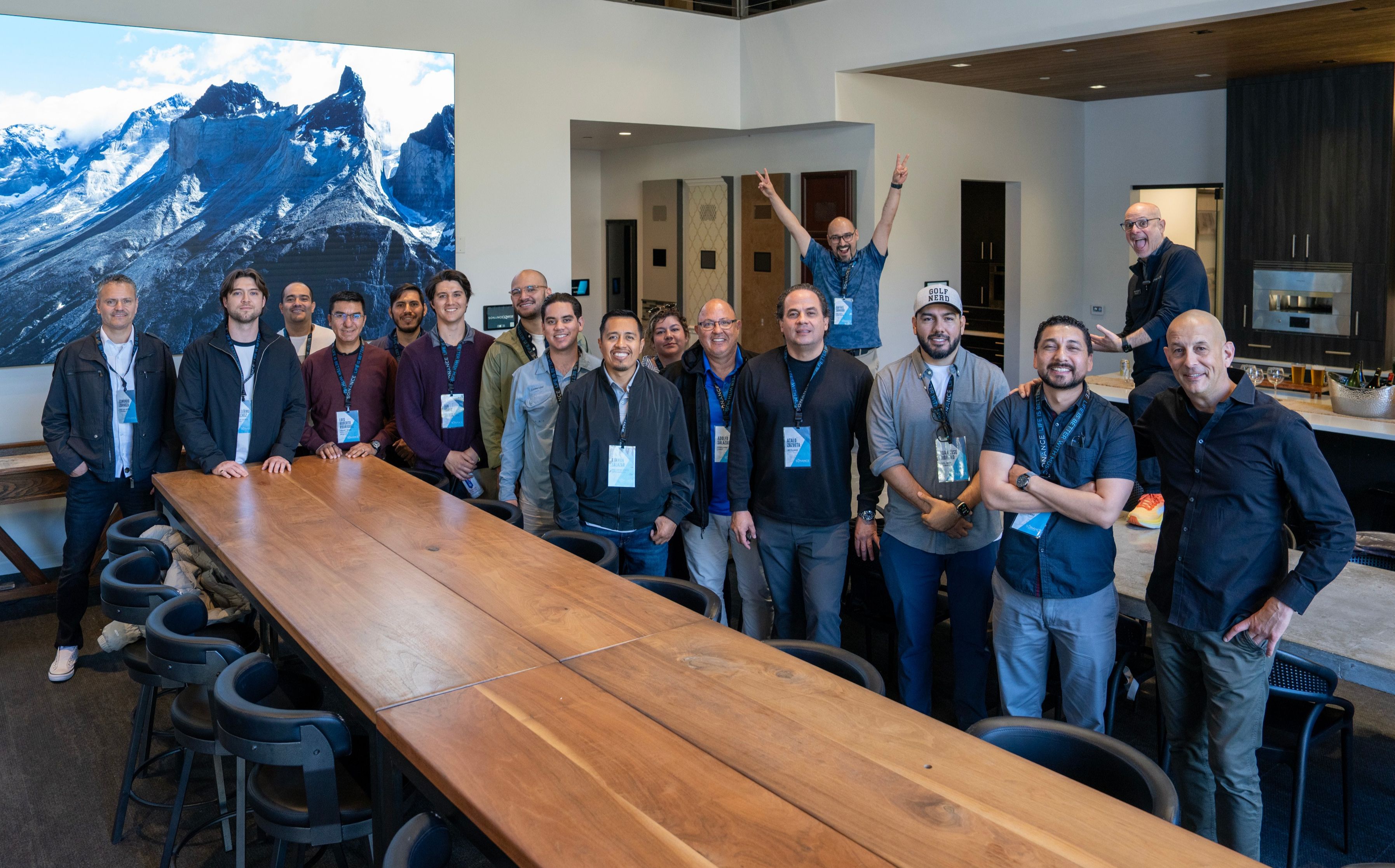
A recent visit to a Sonance showroom provided a clear example of this.
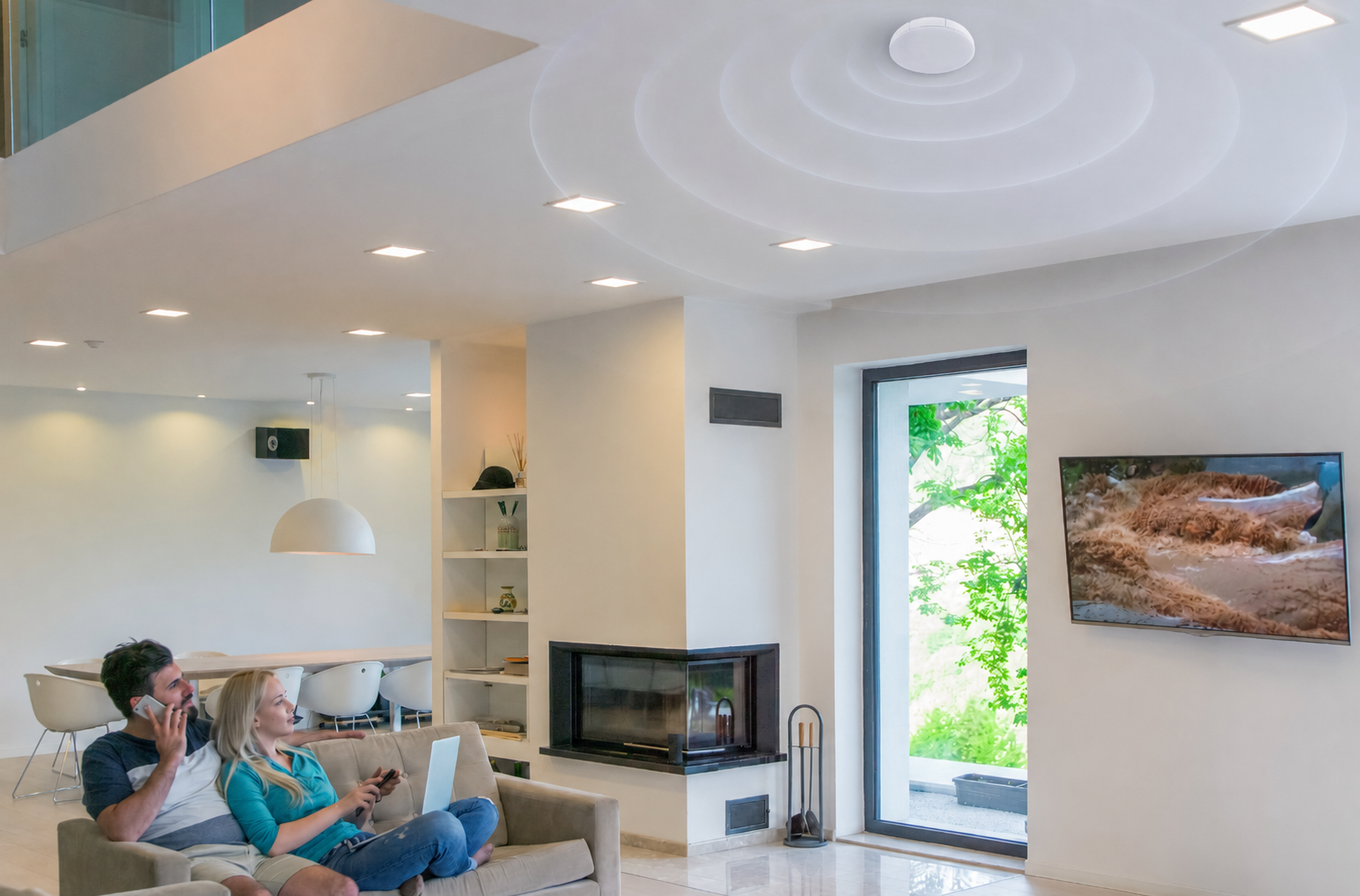
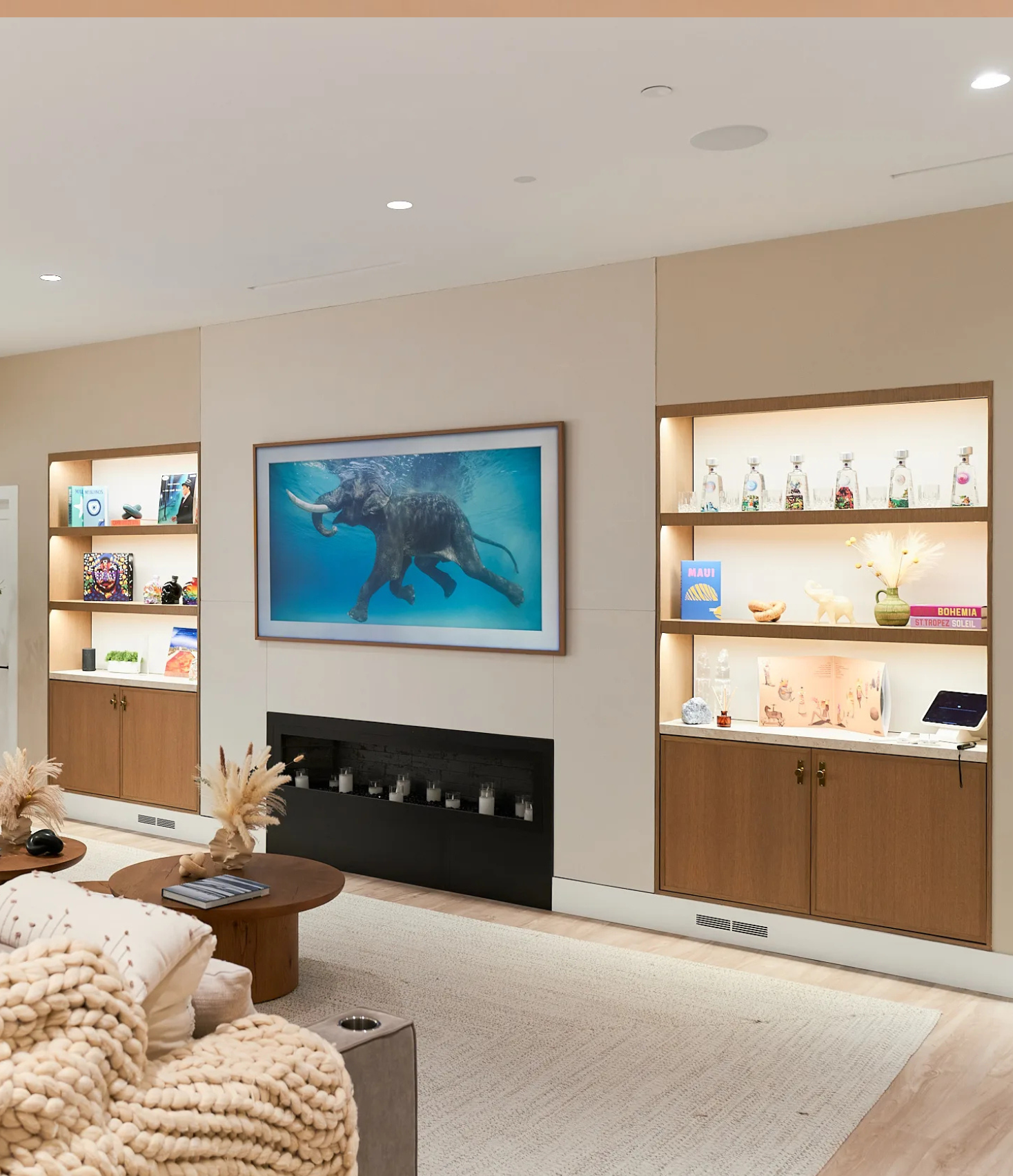
The space is designed around a simple but powerful idea: technology should integrate seamlessly into architecture.
Audio is present, but not visible.
Lighting is dynamic, but never distracting.
Control is intuitive, requiring little to no learning curve.
The result is not a collection of systems, but a cohesive environment.
Experiencing this firsthand reveals something that is difficult to communicate otherwise: when technology is properly integrated, it does not compete with design—it elevates it.
Light as a Design Material
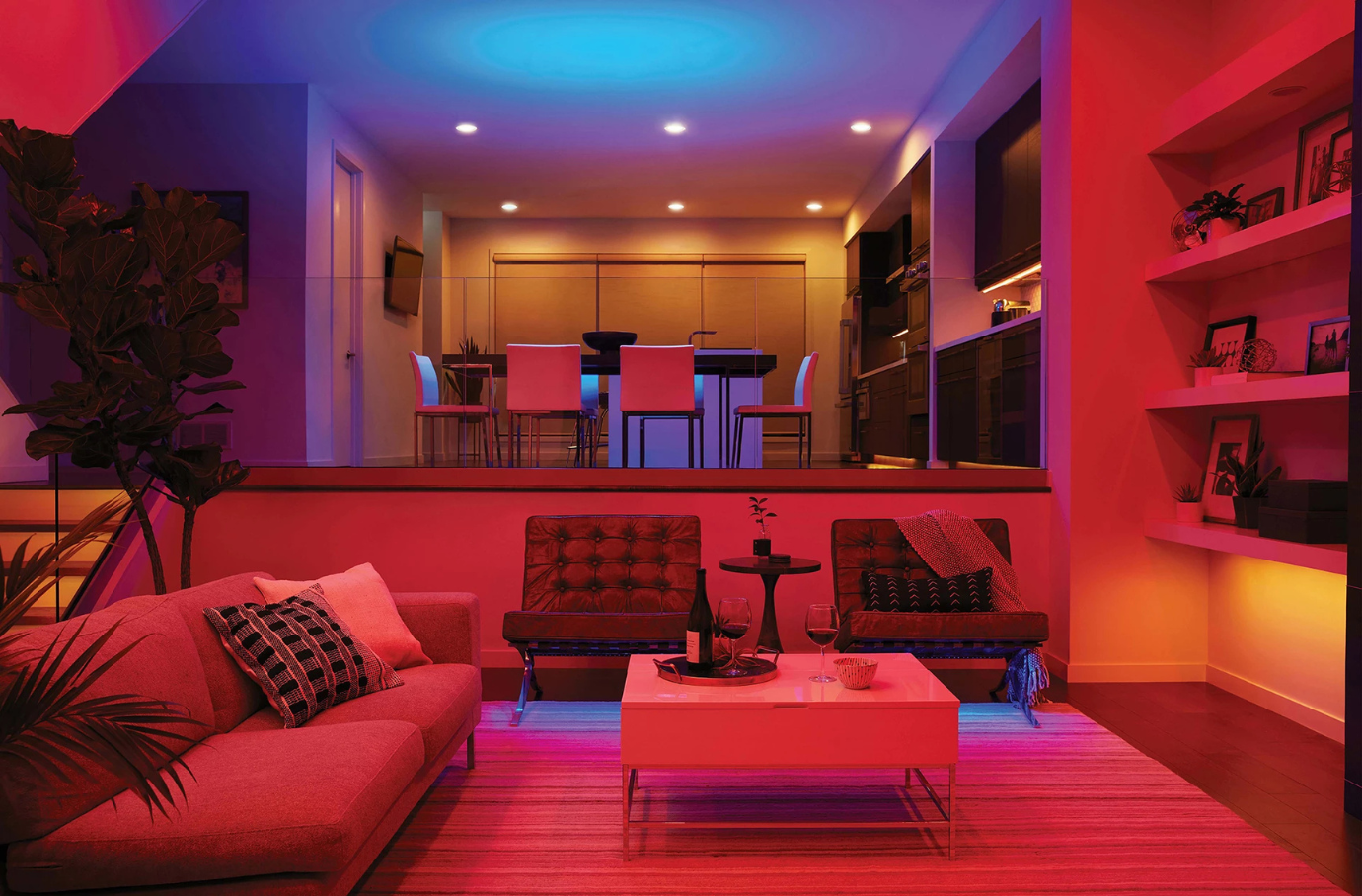
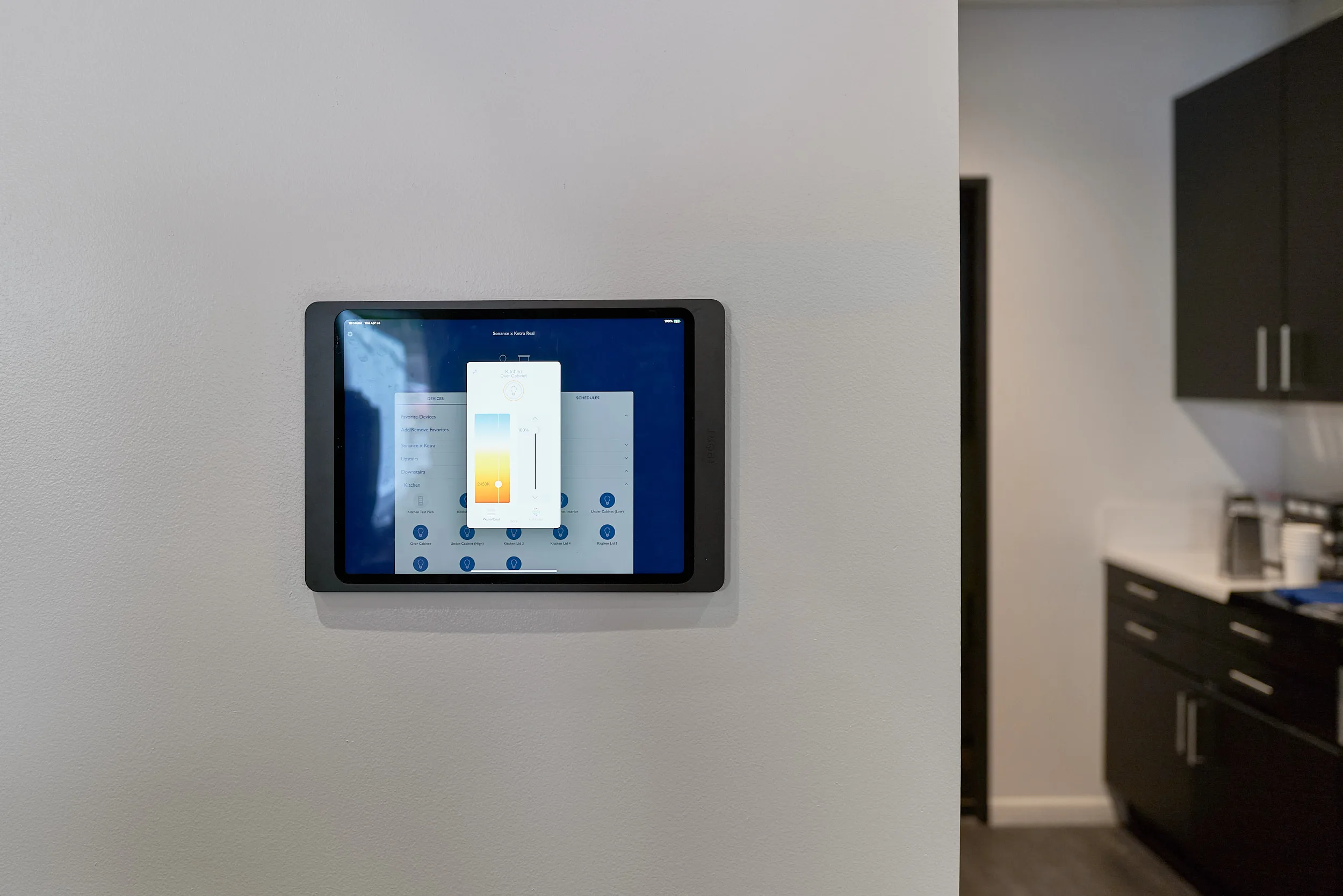
One of the most striking aspects of the experience is the use of Lutron Ketra lighting.
Rather than treating light as a static layer, it becomes a dynamic component of the space—capable of shifting tone, intensity, and warmth throughout the day.
This has a direct impact on how spaces are perceived and used:
- A kitchen can feel bright and functional in the morning
- Warm and inviting in the evening
- Intimate and relaxed at night
These transitions are not theoretical—they are immediate and perceptible when experienced in person.

Intuitive Control and Invisible Interaction
Equally important is how users interact with the space.
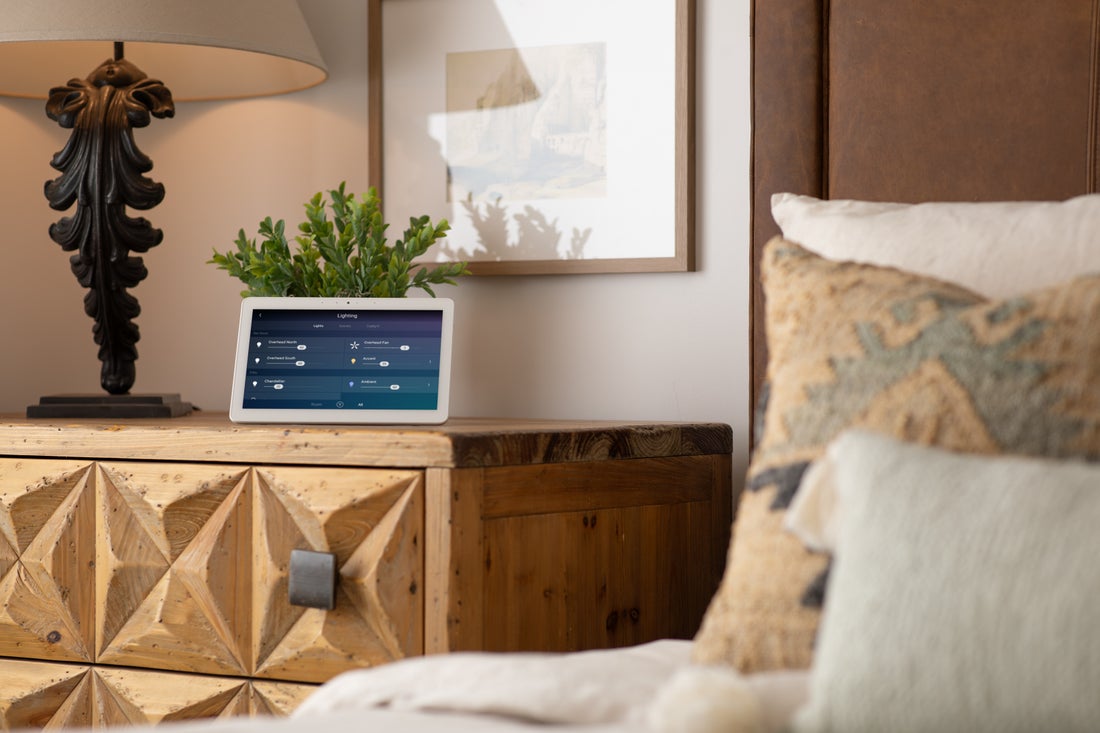
Through platforms like Savant and iPort, control becomes seamless and intuitive. Technology disappears not only visually, but operationally.
There are no complicated interfaces or learning curves—just simple, natural interaction.
This is a critical aspect often underestimated in design:
A system can be technically advanced, but if it is not intuitive, it detracts from the experience.
The Benchmark of a True Home Cinema
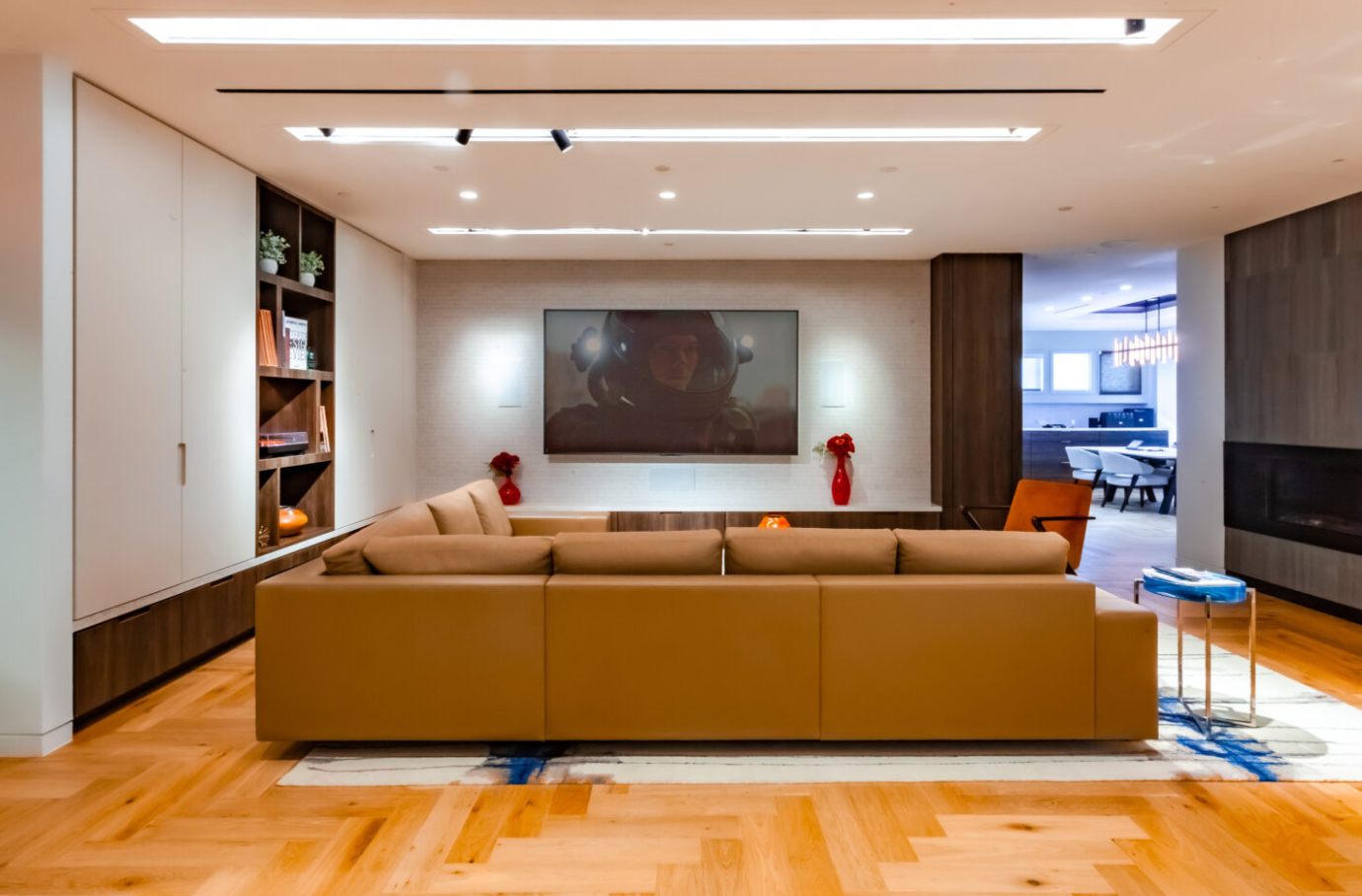
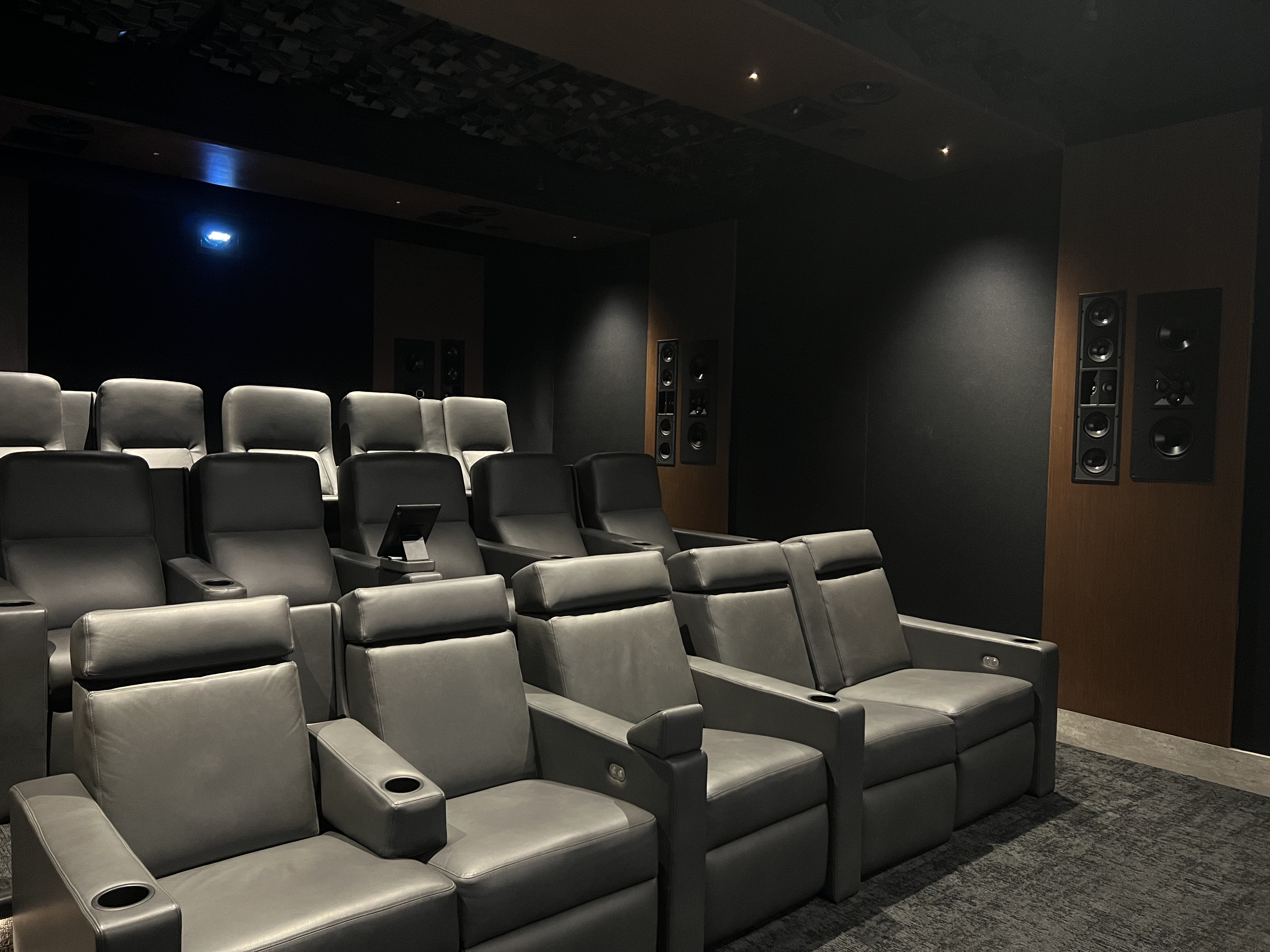
The showroom also includes a dedicated high-performance cinema.
Unlike typical residential setups, this is a fully engineered environment where acoustics, speaker placement, and visual performance are carefully designed to work together.
Experiencing this level of immersion establishes a new benchmark for what a private cinema can be.
It moves the conversation beyond “adding a projector” into designing a space specifically for performance and experience.
Understanding What Happens Behind the Walls
Another key component of the visit is the opportunity to see how these systems are actually built.
A dedicated area showcases how architectural speakers are installed, how infrastructure is planned, and how clean integration is achieved.
This reinforces an essential idea:
Great results are not the product of individual devices.
They are the result of early planning, coordination, and precise execution.

Why Experience Should Be Part of the Design Process
In many projects, technology is still approached as a series of independent systems—added at different stages, often by different parties.
This fragmented approach leads to compromises:
Visible hardware, inconsistent user experiences, and missed opportunities to enhance the architecture.
Incorporating experience into the design process changes this.
It allows architects and developers to:
- Make more informed decisions
- Align technology with design intent
- Understand the real impact of their choices
From Understanding to Implementation
Ultimately, experience bridges the gap between concept and reality.
It transforms abstract ideas into tangible understanding.
It accelerates decision-making.
It raises the standard of what is considered acceptable.
Because once a space is experienced at a high level, it becomes difficult to accept anything less.
An Invitation to Experience It Firsthand
For those currently designing or developing residential projects, taking the time to experience integrated technology firsthand is not an extra step—it is a valuable part of the design process.
It provides clarity, alignment, and a deeper understanding of what is possible.
At GSA, we coordinate private showroom visits for architects, developers, and clients interested in integrating technology at the highest level.
Experiencing it is the first step toward designing it properly.
Easy steps to create a color palette
Lorem ipsum dolor sit amet, consectetur adipiscing elit lobortis arcu enim urna adipiscing praesent velit viverra sit semper lorem eu cursus vel hendrerit elementum morbi curabitur etiam nibh justo, lorem aliquet donec sed sit mi dignissim at ante massa mattis.
- Neque sodales ut etiam sit amet nisl purus non tellus orci ac auctor
- Adipiscing elit ut aliquam purus sit amet viverra suspendisse potent
- Mauris commodo quis imperdiet massa tincidunt nunc pulvinar
- Excepteur sint occaecat cupidatat non proident sunt in culpa qui officia
What is a color palette?
Vitae congue eu consequat ac felis placerat vestibulum lectus mauris ultrices cursus sit amet dictum sit amet justo donec enim diam porttitor lacus luctus accumsan tortor posuere praesent tristique magna sit amet purus gravida quis blandit turpis.

Don’t overspend on growth marketing without good retention rates
At risus viverra adipiscing at in tellus integer feugiat nisl pretium fusce id velit ut tortor sagittis orci a scelerisque purus semper eget at lectus urna duis convallis porta nibh venenatis cras sed felis eget neque laoreet suspendisse interdum consectetur libero id faucibus nisl donec pretium vulputate sapien nec sagittis aliquam nunc lobortis mattis aliquam faucibus purus in.
- Neque sodales ut etiam sit amet nisl purus non tellus orci ac auctor
- Adipiscing elit ut aliquam purus sit amet viverra suspendisse potenti
- Mauris commodo quis imperdiet massa tincidunt nunc pulvinar
- Adipiscing elit ut aliquam purus sit amet viverra suspendisse potenti
What’s the ideal customer retention rate?
Nisi quis eleifend quam adipiscing vitae aliquet bibendum enim facilisis gravida neque euismod in pellentesque massa placerat volutpat lacus laoreet non curabitur gravida odio aenean sed adipiscing diam donec adipiscing tristique risus amet est placerat in egestas erat.
“Lorem ipsum dolor sit amet consectetur adipiscing elit, sed do eiusmod tempor incididunt ut labore et dolore magna aliqua enim ad minim veniam.”
Next steps to increase your customer retention
Eget lorem dolor sed viverra ipsum nunc aliquet bibendum felis donec et odio pellentesque diam volutpat commodo sed egestas aliquam sem fringilla ut morbi tincidunt augue interdum velit euismod eu tincidunt tortor aliquam nulla facilisi aenean sed adipiscing diam donec adipiscing ut lectus arcu bibendum at varius vel pharetra nibh venenatis cras sed felis eget.
.png)